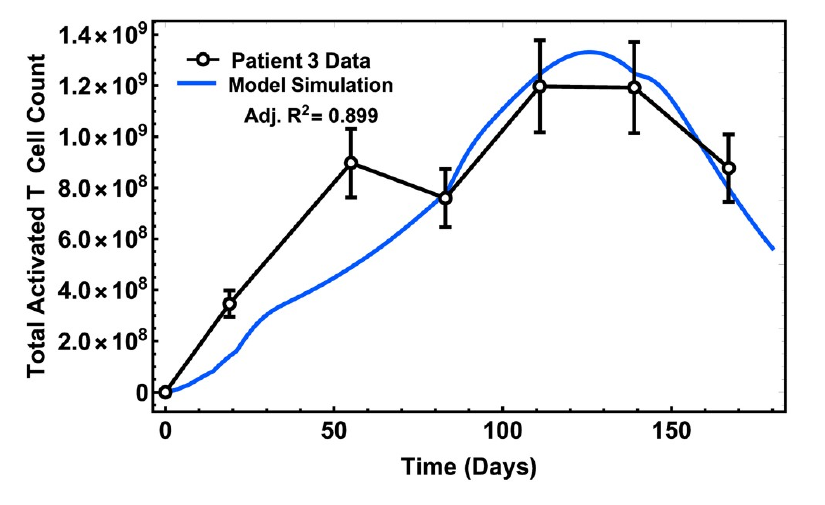
Goals
- To devise combination therapy model of cancer treatment, where combination is OV and mRNA vaccine.
- To validate this model against the data published in Combination therapy with oncolytic virus and T-cells or mRNA vaccine… 2024, by Fu et al.
Status
- Earliest stages. I will talk about my impressions and intentions.
- Please offer input or suggestion.
Fu 2024 - Broadly
- Short, but very dense. Many experiments with various results.
- Our interest is primarily in the time-series, treatment data, but there is far beyond that.
- I have spent much of the recent weeks working to understand just what it contains.
Fu 2024 - Features
- All in vivo experiments performed on mice
- All experiments performed on some variation of B16 Melanoma
Two Branches of Experiments
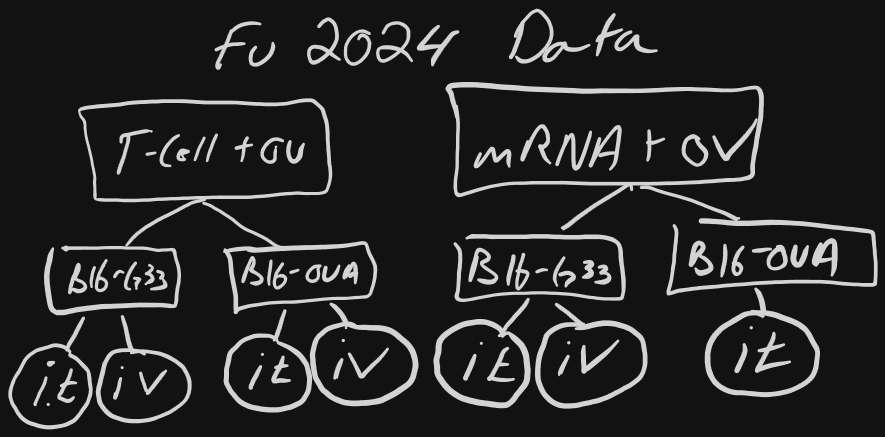
- Broadly speaking Fu et. al performed two sets of experiments, on two treatment combinations.
- My first mistake: not CAR T-cells.
- Therefore MHC-I dependent
- Therefore not as similar to existing work as I had thought
Branches Diagram
![]()
At the highest level, two branches
Existing Models?
- Regardless, First Question: how well do existing models fit this data?
- Side question - data
- Different parameters (murine)
- Different MHC-1 dependence
- Presumably would fit the first branch better than the second.
3 Differences between Treatment Branches
I believe that a model of combination CAR T-cell and OV therapies would be insufficient for mRNA regime because:
- Timing
- Processes
- Adaptive Memory
Difference 2: Processes
- Activation, recruitment, and proliferation
- Transport in the lymphatic system
- Availability of precursor
- Contraction (?)
Difference 3: Adaptive Memory
- Appears in the data, in the results of a 14 day boost.
- But may not significantly matter in this timeframe
- Not sure.
Bottom line - I am imagining a need for a different mathematical representation
Diagram of Experiments
![]()
Back to results of Fu
Differences Between Fu Experiments
- Now I want to talk about the data represented in this publication, and the underlying mechanics.
- There is subtlety here, and I think it matters.
- In some ways, there are elements that puzzle me.
- This requires some background, starting with the oncolytic virus
The Oncolytic Virus
![]()
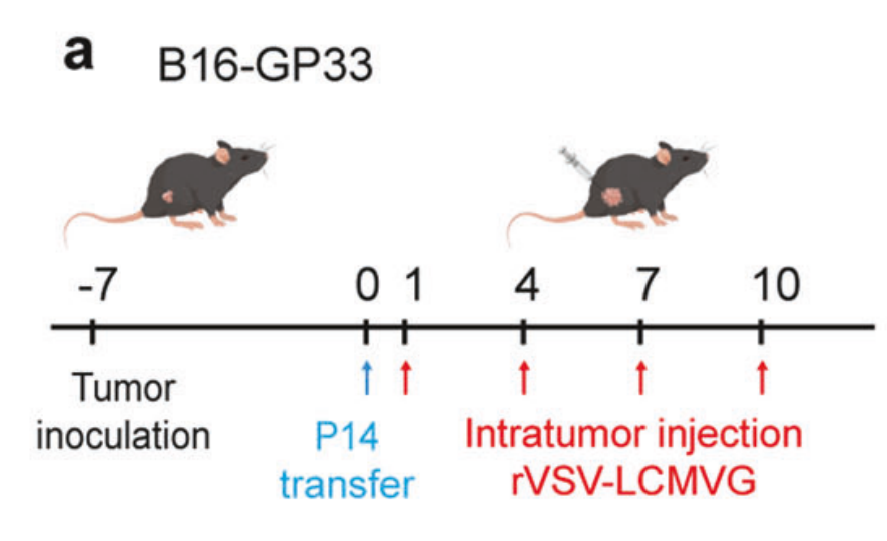
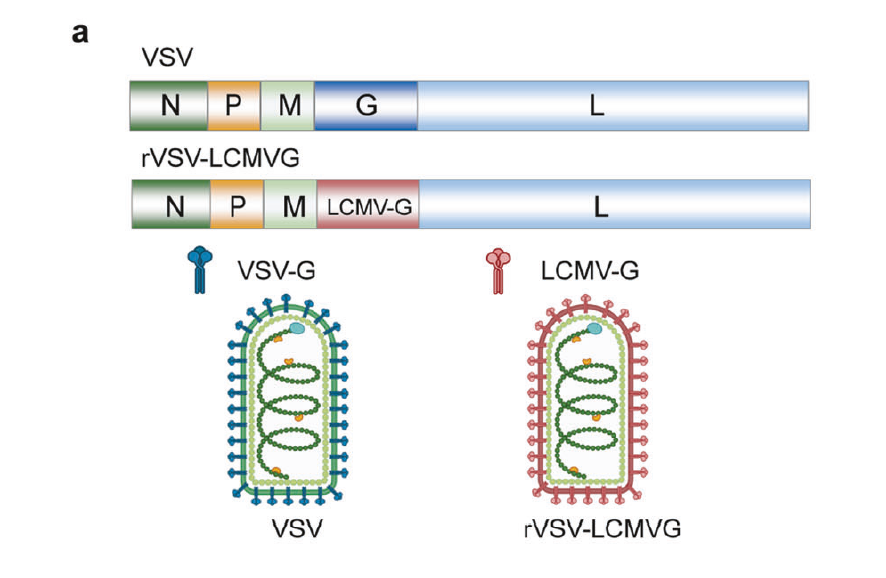
Fu 2024 1a
rVSV-LCMVG
- Safer than VSV (Vesicular Stomatitis)
- Still exhibits cytotoxicity
- Genes for LCMV (Lymphocytic Choriomeningitis) G proteins
- G33 in particular
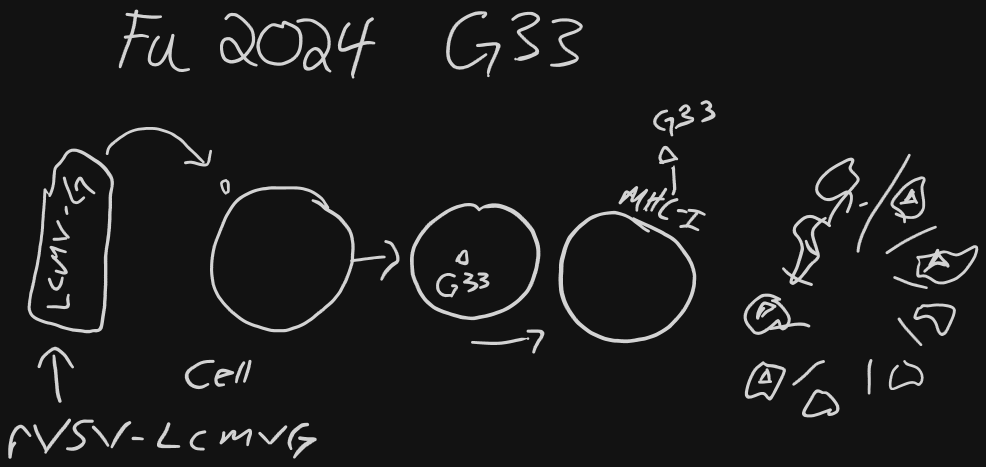
G33
- A viral antigen of LCMV. An infected cell presents G33 via MHC-I
- rVSV-LCMVG codes for G proteins, so we might expect the same
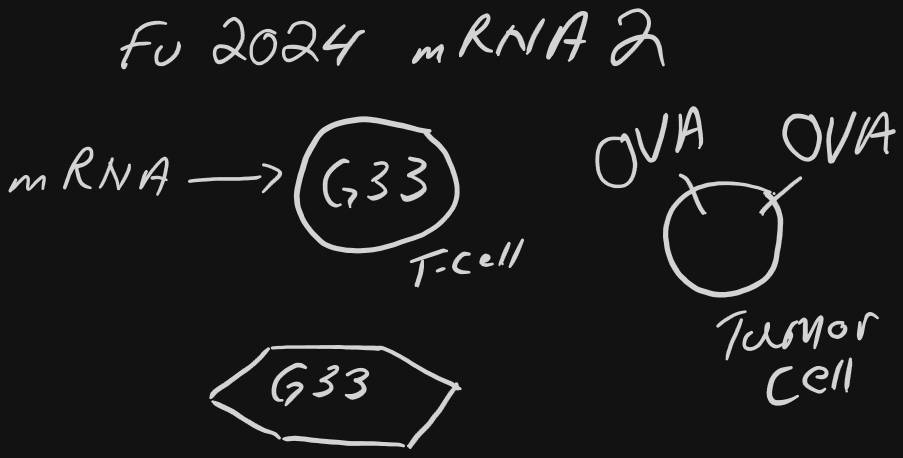
G33 - Diagram
![]()
Tested and Evidence Supplied
“The group (or B16-OVA) cells that underwent combined rVSV-LCMVG infection and P14 cells coculture exhibited significantly higher levels of killing compared to B16-OVA cells alone at each time point.”
“These findings suggest that OV’s have the capability to deliver antigens, in this case LCMVG to tumors.”
Why does this matter?
![]()
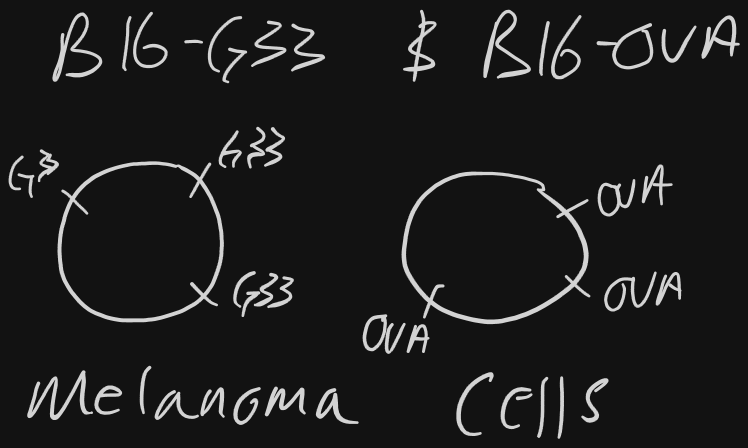
All experiments performed on B16-G33 and B16-OVA
B16-G33 and B16-OVA
![]()
All experiments performed on B16-G33 and B16-OVA
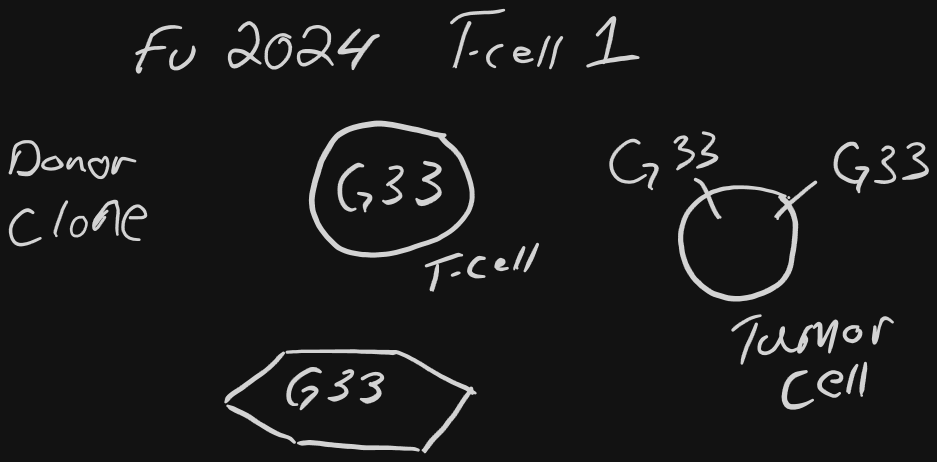
Experiment 1
![]()
Experiment 1 Results
![]()
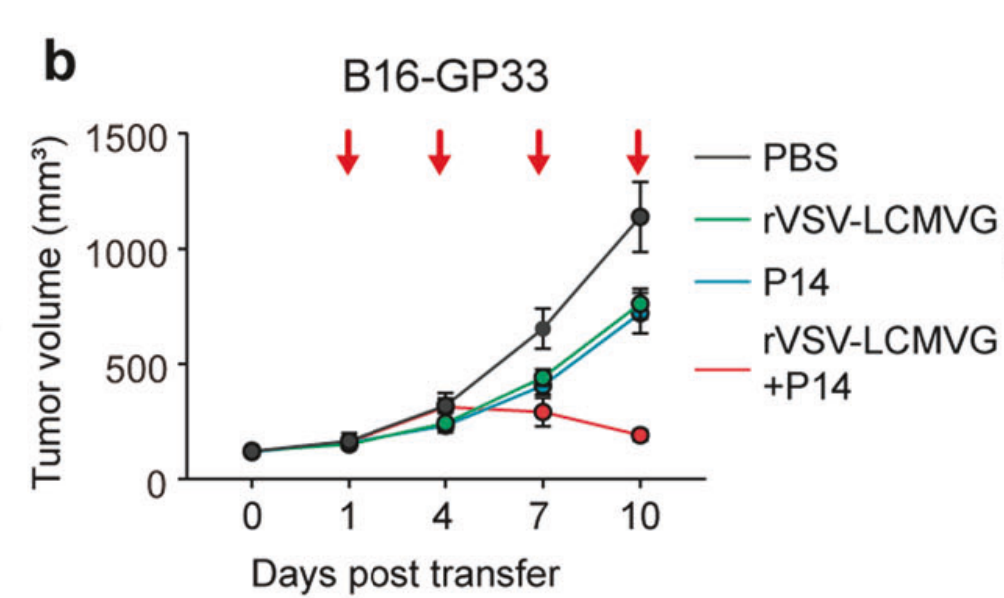
B16-G33 - P16 and OV - Time Series - Fu 2024 2b
Experiment 1 Results 2
![]()
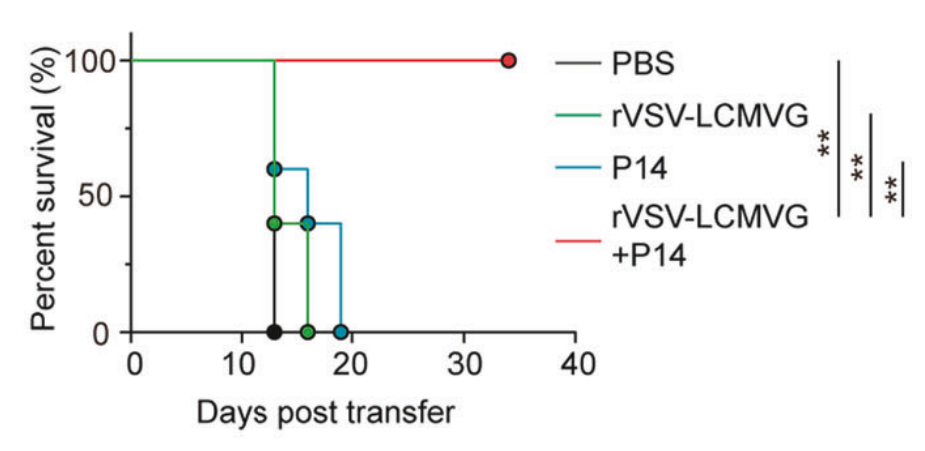
B16-G33 - P16 and OV - Survival Curves - Fu 2024 2b
Interpretation
- Everything aligned. The deck is stacked.
- The combination is better
- Much more is written about subsequent investigations of mechanism
- Surface exhaustion markers on P14 with and without OV
- Quantity of P14 in tumors with and without OV
- Restimulated tumors ex vivo to test for function
- Intratumoral cytokine levels
Back to the Map
![]()
Experiment 2
![]()
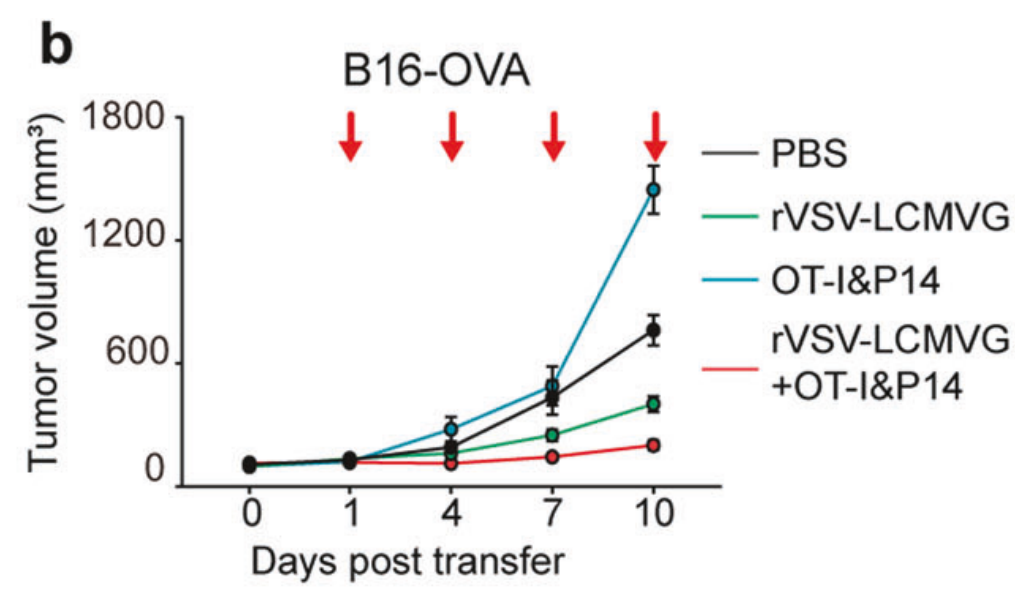
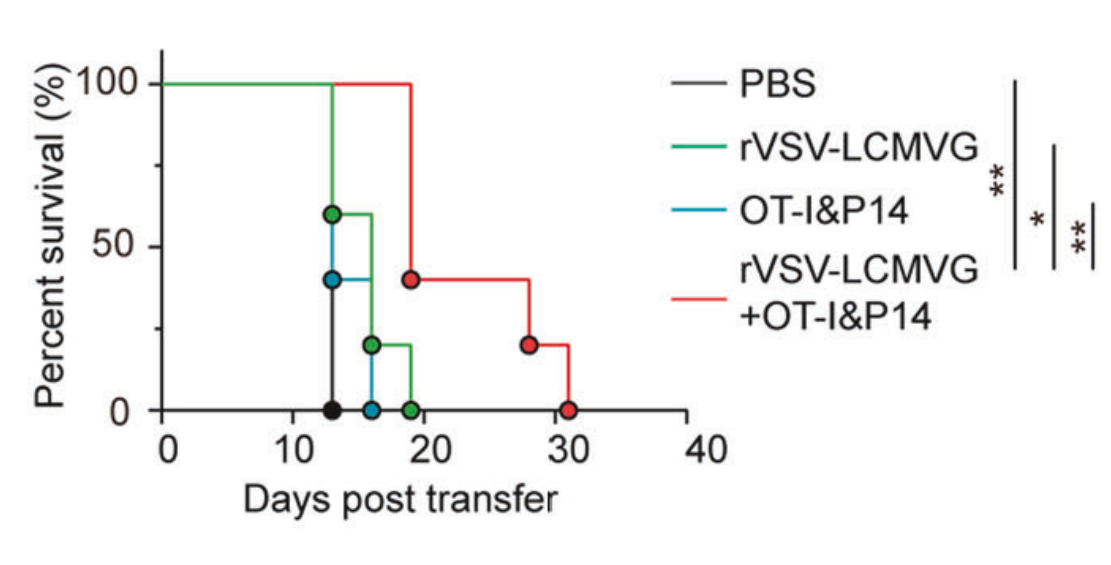
B16-OVA - P16, OT-I, and OV
Experiment 2 Results
![]()
B16-OVA - P16, OT-I, and OV
Experiment 2 Results 2
![]()
B16-OVA - P16, OT-I, and OV
Experiment 2 Interpretation
- Study of T-cell exhaustion. Found is antigen driven and not motivated by environment. “Bystander” P14 cells have fewer exhaustion markers.
- Exhaustion markers reduced in in combination treatment. The virus reverses exhaustion markers on OT-I
- Comparisons of infiltration and recruitment. Post experiment RNA sequencing. Combination treatment enhances P14
Moving on to mRNA Experiments
![]()
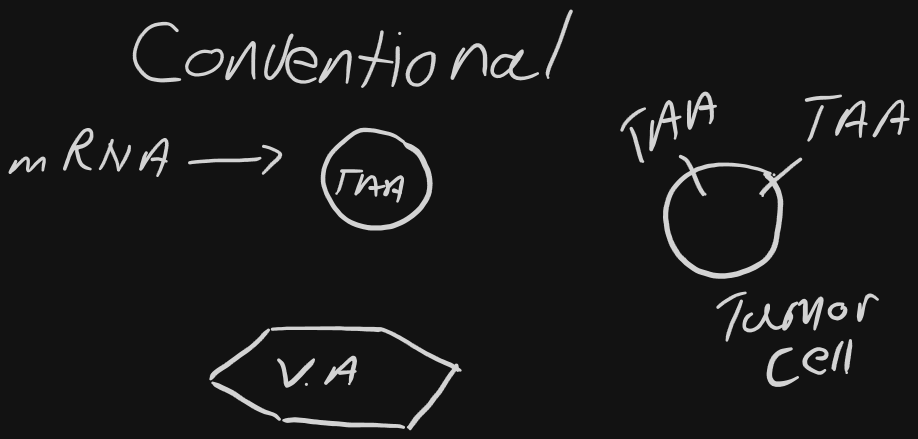
mRNA Vaccine, Conventionally
![]()
Experiment 3
![]()
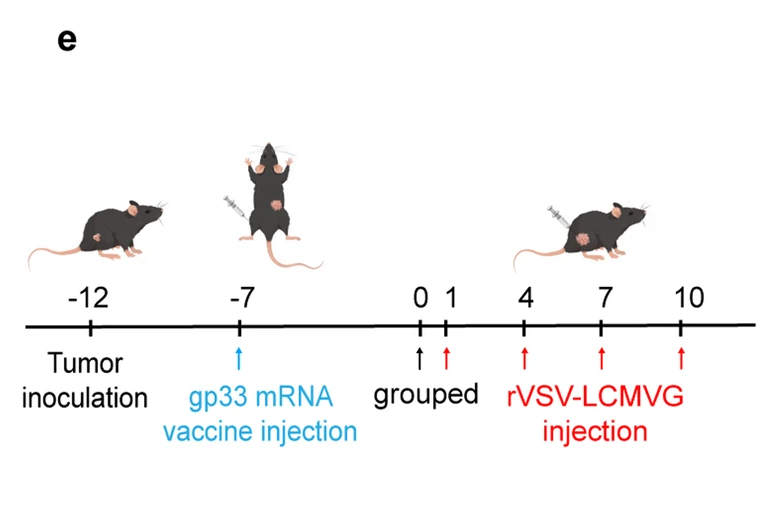
B16-G33 - mRNA and OV
Not an Accident
![]()
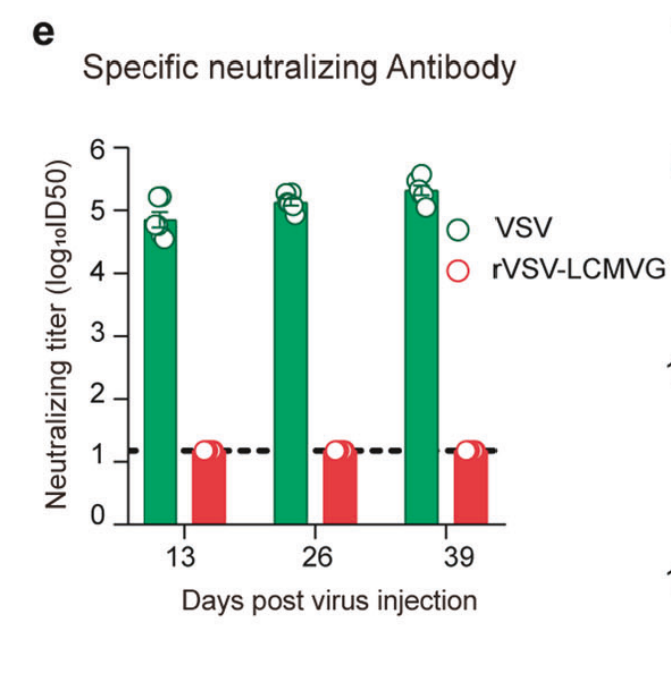
Fu 2024 Figure 1e
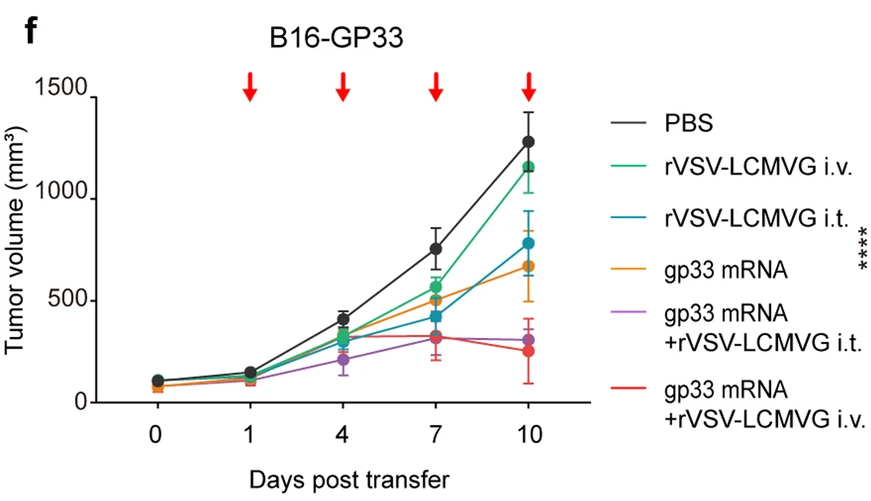
Experiment 3 Results
![]()
B16-G33 - mRNA and OV
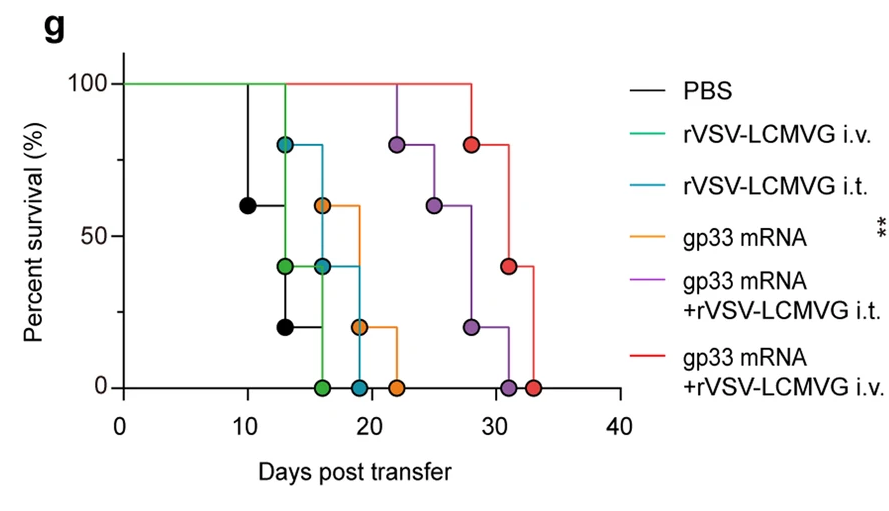
Experiment 3 Results 2
![]()
B16-G33 - mRNA and OV
Last Experiment
![]()
Experiment 4
![]()
B16-OVA - P16, OT-I, and OV
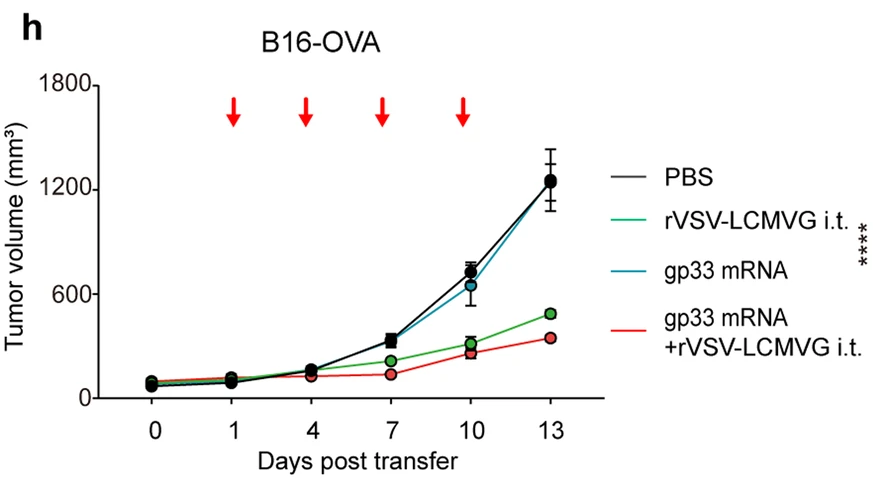
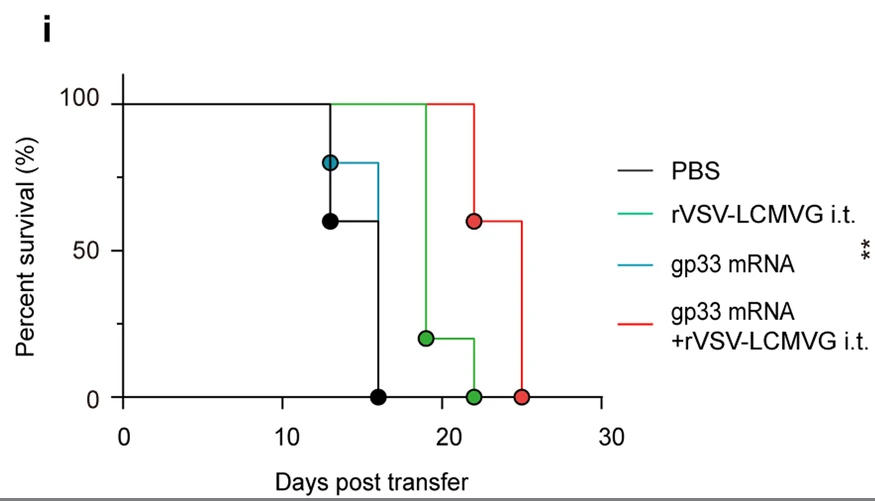
Experiment 4 Results
![]()
B16-OVA - Vaccine and OV
Experiment 4 Results 2
![]()
B16-OVA - Vaccine and OV
mRNA Experiment Findings
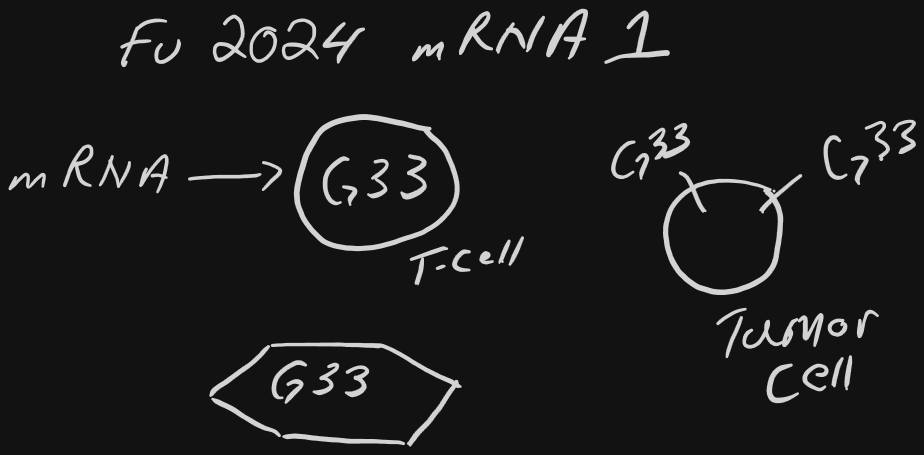
- Unconventional mRNA application, targeting the viral antigen
- rVSV-LCMVG engineered to suppress humoral immunity
- Yes, that seems to work, even when the tumor antigens are invisible to the mRNA T-cells
- Weird things. End date. Single line. No intravenous report.
Building a Model
- Still working on understanding exactly what is happening in this data.
- Much still to understand about what differentiates one set of data from the next.
- However, when it comes to building a model, we have good starting points.
Intentions for the mRNA vaccine module
Two starting points - Rodriguez-Messan 2021 / Han 2023 - Korosec 2026
Rodriguez-Messan
- Very granular model of a personalized cancer vaccine therapy
- Validated against clinical data
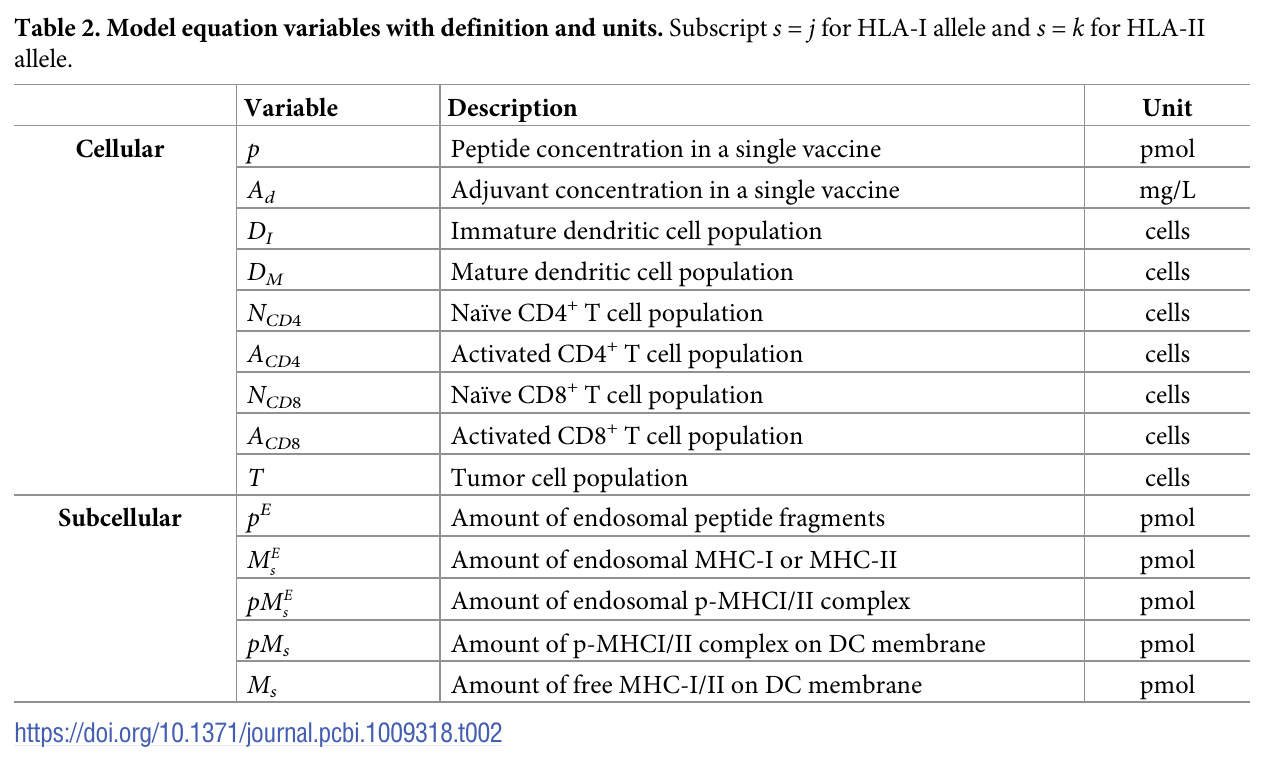
Rodriguez-Messan Variables
![]()
Rodriguez-Messan 2021 - Table 2
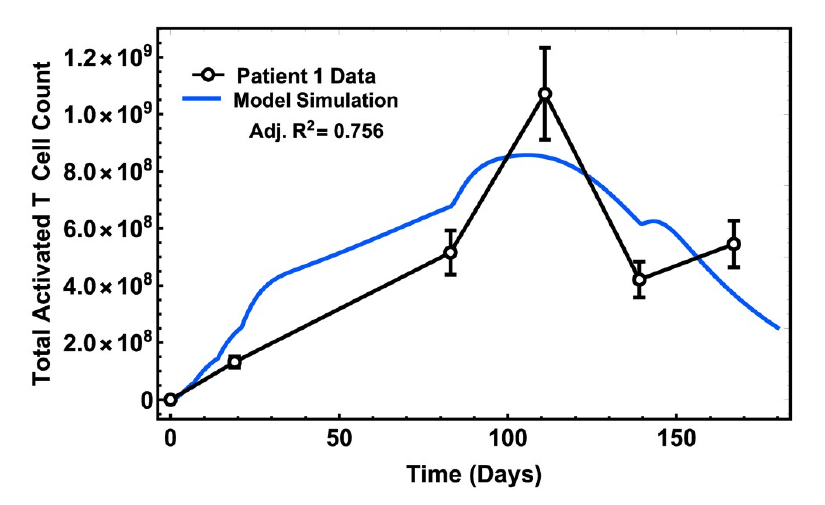
Rodriguez-Messan Validation 1
![]()
Rodriguez-Messan 2021 - Figure 1a
Rodriguez-Messan Validation 2
![]()
Rodriguez-Messan 2021 - Figure 1c
Han 2023
Simplification to Rodriguez-Messan
\[\begin{align}
\frac{\mathrm{d}P}{\mathrm{d}t} &= D(A,T)T - \delta_P P + u(t) \\
\frac{\mathrm{d}A}{\mathrm{d}t} &= a(P) - \delta A \\
\frac{\mathrm{d}T}{\mathrm{d}t} &= \beta T - m D (A,T)T \\
\end{align}\]
Intentions for the Oncolytic Virus Module
- Study the existing work
- Implementation requires
- New, murine parameters
- Validate on the T-cell Branch
- Keeping in mind that these are not CAR T-cells
In conclusion
- Thank you, I welcome your input
.png)